The story
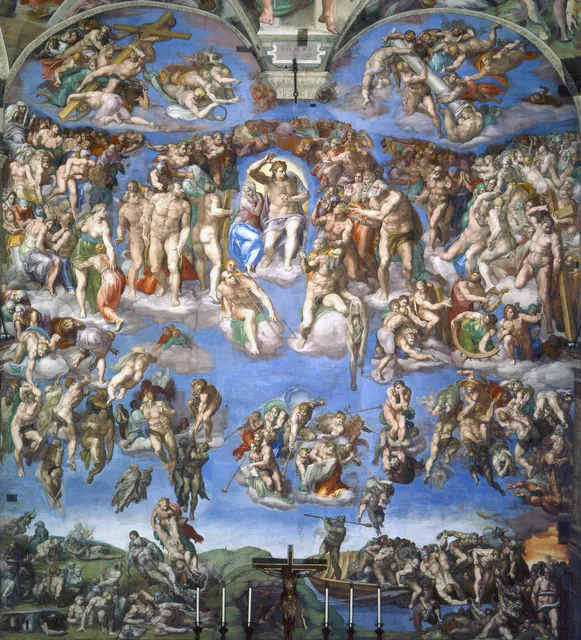
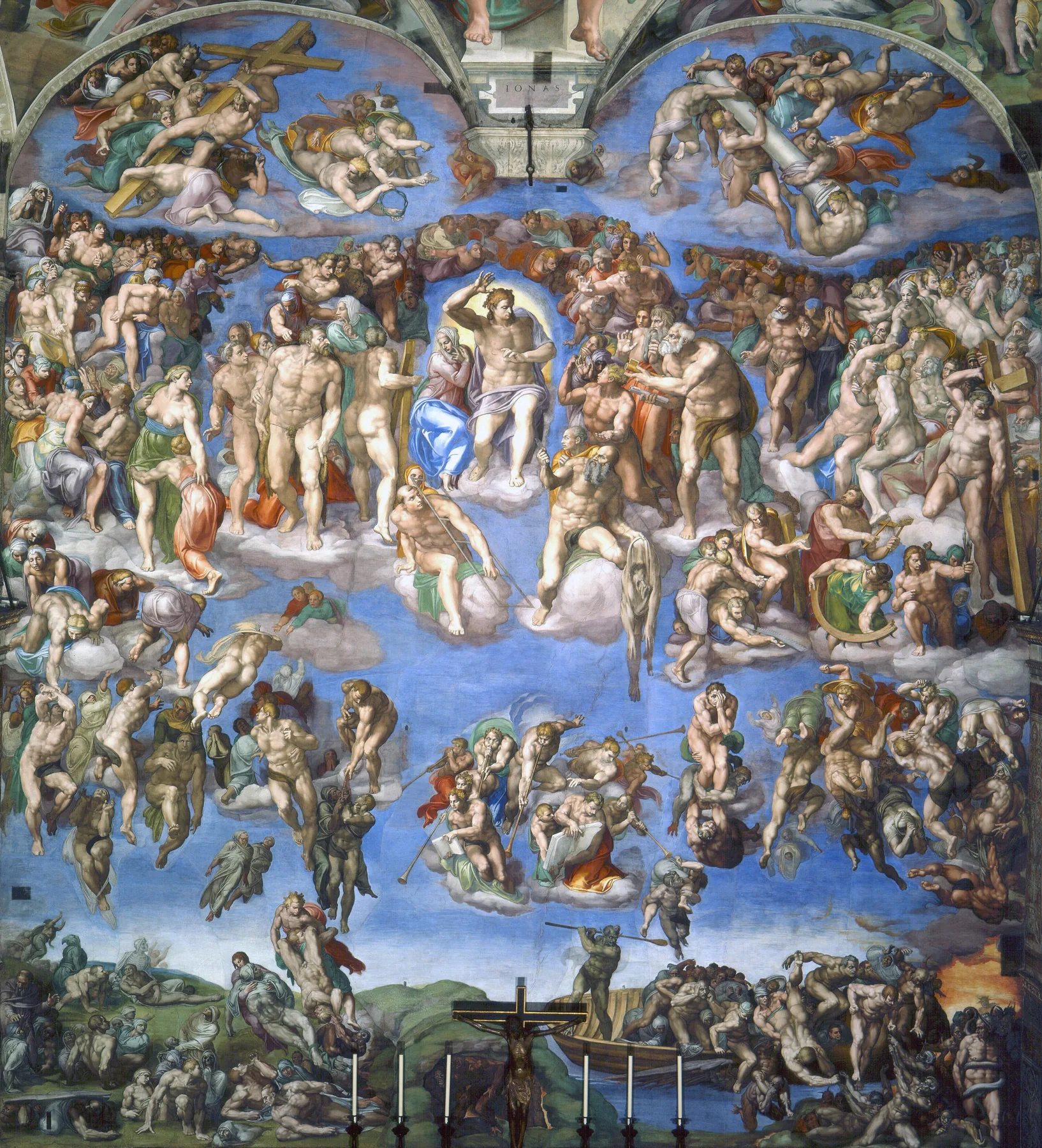
The fresco that dominates the altar wall of the Sistine Chapel bears the solemn title “The Last Judgment.” Painted directly onto the 45‑by‑39‑foot (13.7‑by‑12‑meter) surface behind the altar, Michelangelo worked in true fresco – pigment mixed into fresh lime plaster, which binds the colour to the wall as it dries. This monumental scale and technique make the work an unavoidable visual anchor for anyone who steps into the chapel, framing the sacred space with a sweeping vision of salvation and damnation.
The project began under Pope Clement VII, who commissioned Michelangelo in 1534. After Pope Paul III confirmed the commission, preparations started in 1535, and Michelangelo set his brush to the wall in that same year. The work progressed over the next six years, culminating in its public unveiling in 1541. These dates, recorded in papal archives, trace a clear line from papal intent to artistic execution, underscoring the fresco’s place within a turbulent period of Church history.
Hidden among the throng of martyrs, Michelangelo slipped a personal signature into the scene: his own likeness appears on the flayed skin of Saint Bartholomew. The artist’s face, rendered with the same delicate modeling as the surrounding figures, rests on the exposed flesh of the saint, a subtle yet unmistakable self‑portrait. This insertion not only marks authorship but also ties the creator’s identity to the act of sacrifice that the fresco dramatizes, a quiet dialogue between painter and subject.
At the center of the composition Christ rises as a youthful, beardless figure caught in motion. His torso leans forward, one arm outstretched, suggesting a dynamic, “rising” posture rather than a static, seated throne. Scholars note that this portrayal emphasizes movement and vitality, presenting the divine judge as an active participant in the drama of judgment rather than a distant arbiter. The youthful appearance reinforces the idea of a living, breathing presence at the heart of the scene.
The fresco’s extensive nudity has sparked centuries of debate, yet many scholars read it as a theological statement. Lee Palmer Wandel argues that the naked bodies constitute a “breathtaking engagement with incarnation,” where the exposed flesh mirrors the Christian belief that God assumed human form. Rather than a mere celebration of classical anatomy, the nudity becomes a visual meditation on humanity’s shared destiny, inviting viewers to contemplate the divine becoming mortal.
Despite the profusion of flesh, the fresco contains no visible blood. Saint Sebastian, for example, holds his arrows in his hand instead of being pierced, a detail noted by scholars who observe the complete absence of gore. This restraint shifts the focus from graphic violence to the spiritual struggle of the souls, allowing gestures and expressions to convey suffering without the distraction of explicit bloodshed.
The overall composition defies a static, hierarchical order. Both saved and damned figures surge across the wall in a vortex of movement, their bodies intertwined in twisting poses that suggest relentless turbulence. Wandel notes that the fresco lacks a sense of static order, with every soul caught in dynamic motion, and even points to a visual line that runs from the celebrant’s raised host and chalice up through the painting to Christ himself. This kinetic energy forces the eye to travel constantly, immersing the viewer in the chaotic moment of divine assessment.
At its unveiling the fresco provoked sharp criticism for its unabashed nudity. Biagio da Cesena, papal master of ceremonies, called it a disgraceful work for a sacred space, and Michelangelo retaliated by painting Cesena’s own face onto one of the damned souls. Later, the Council of Trent ordered Daniele da Volterra to drape much of the nudity, earning him the nickname “Il Braghettone.” Restorers uncovered the original vision between 1980 and 1994, removing the over‑paint. Today the work draws tens of thousands of visitors each day, remaining one of the Vatican’s most visited treasures.
Thank you for joining us; stay tuned for our next masterpiece.