The story
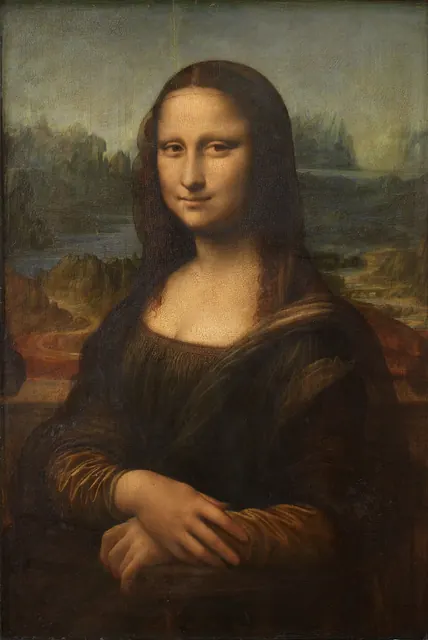
Step into the Louvre’s grand Salle des États, the museum’s largest exhibition hall, and your eyes are drawn to a modestly sized portrait that dominates the room. The Mona Lisa rests behind a sleek, bullet‑proof glass case, a safeguard installed after a series of attacks in 1956. In 2005 that enclosure was upgraded to a climate‑controlled protective glass, ensuring the painting is shielded from both physical threats and environmental fluctuations. The glass not only preserves the work but also creates a quiet barrier that invites viewers to linger, to peer through and contemplate the subtle details that have captivated generations. This setting underscores the painting’s status as a national treasure while allowing a safe, intimate encounter.
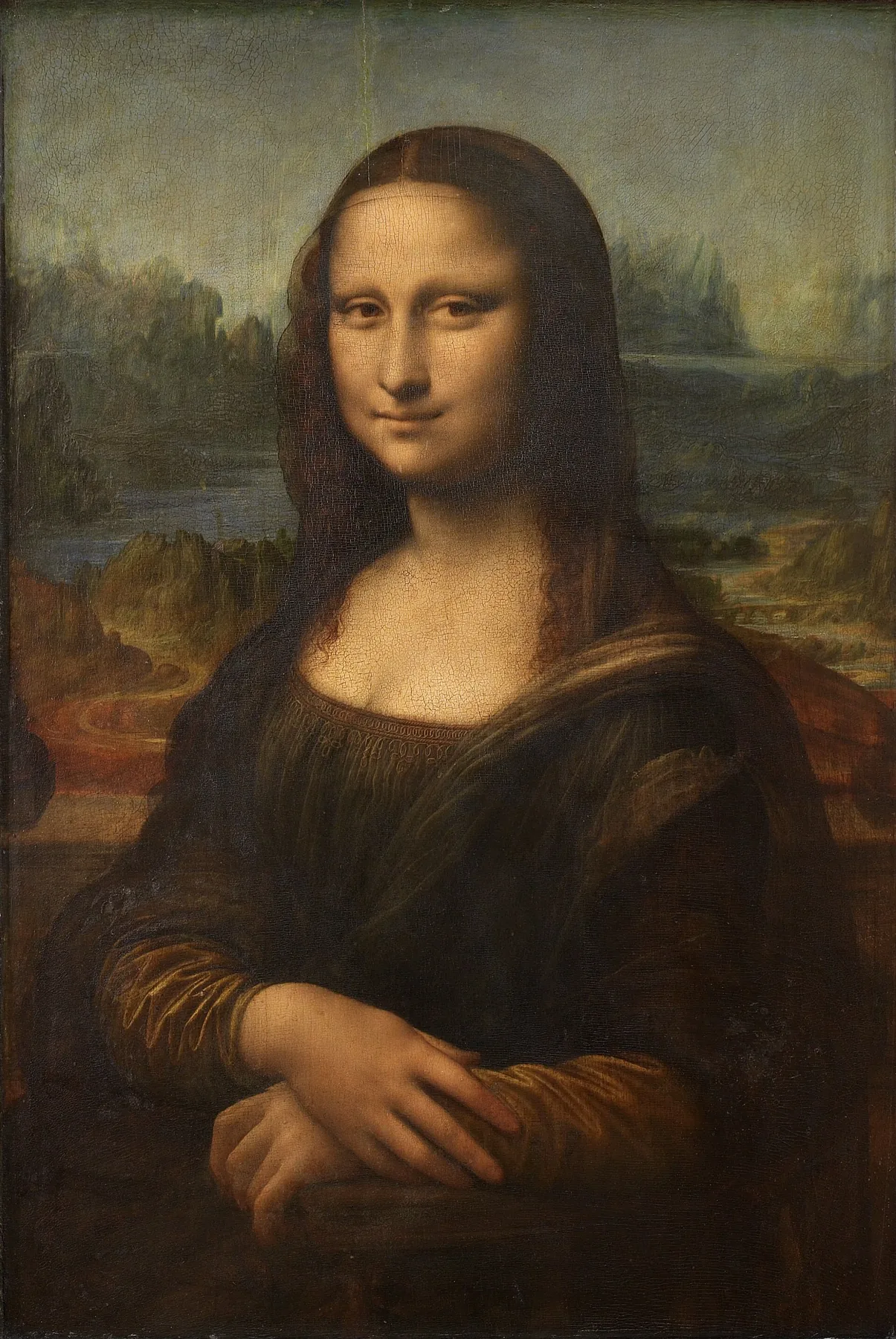
The canvas you see is not canvas at all but an oil painting on a poplar wood panel, a material Leonardo favored for its fine grain and smooth surface. Over five centuries the panel has responded to humidity and temperature changes, warping ever so slightly and developing a fine crack that runs through the wood. That fissure is a silent testimony to the work’s age, a physical reminder that the masterpiece has endured the passage of time. Yet the crack does not diminish the visual impact; the paint layers remain intact, allowing the delicate glazes and luminous tones to shine through the centuries.
The painting’s early history is marked by a royal acquisition that likely brought it to France. In 1518 the work was very probably acquired by King François I, a patron eager to enrich his collection with the finest Italian art. While the exact terms of the purchase are not recorded in detail, the king’s ownership set the stage for the Mona Lisa’s long residence in the French royal and later national collections. This royal connection helped secure the painting’s preservation and eventual public display, linking Leonardo’s Florentine masterpiece to the cultural heart of Paris.
During the turmoil of World War II, French authorities took decisive steps to protect the nation’s artistic heritage. The Mona Lisa was carefully evacuated from Paris and hidden in the French countryside, far from the dangers of occupation and bombardment. It remained in secure storage throughout the war, shielded from potential damage or theft. In 1945, after the liberation, the portrait was returned to the Louvre, resuming its place before the public. This episode highlights the lengths to which custodians have gone to safeguard the work, ensuring that future generations could continue to experience its quiet power.
The sitter behind the enigmatic smile has been identified for centuries as Lisa Gherardini, the wife of the Florentine silk merchant Francesco del Giocondo. A solid scholarly tradition dating back to the sixteenth century affirms this identification, grounding the portrait in a real, historical figure. Knowing her name and social standing adds a personal dimension to the painting, transforming it from an abstract ideal of beauty into a portrait of a specific woman of Renaissance Italy. This connection invites viewers to imagine the world she inhabited, the fashions of her time, and the intimate moment Leonardo captured—a moment that transcends her individual story to become universal.
Leonardo composed the portrait in a three‑quarter view, turning the sitter’s torso slightly toward the viewer while her gaze meets us directly. This pose creates a sense of engagement, as if she is aware of our presence yet remains poised in a private reverie. The composition is further enriched by Leonardo’s masterful use of sfumato, a technique that softens edges and blends tones to eliminate harsh lines. The gradual transitions of light and shadow give the flesh an inner glow and the landscape a hazy depth, allowing the figure to emerge from the background with a subtle, almost three‑dimensional presence. The combination of pose and technique invites the eye to linger, exploring the delicate balance between form and atmosphere.
The sfumato technique, central to the painting’s allure, involves applying multiple translucent glazes that merge light and dark in seamless gradations. By avoiding sharp contours, Leonardo creates a veil of atmospheric haze that envelops the face, softening the contours of the cheekbones and the delicate curve of the lips. This method produces a luminous quality, as if the skin is lit from within, and allows the distant landscape to melt into the same gentle mist. The effect is both realistic and ethereal, giving the portrait a timeless quality that resists the rigidity of line and invites the viewer into a dream‑like visual space.
Perhaps the most discussed feature is the sitter’s half‑smile, a subtle curvature that seems to shift with the viewer’s perspective. Scholars describe this ambiguous expression as conveying an ‘arrested sense of movement,’ a moment frozen between laughter and contemplation. The smile does not fully reveal emotion, leaving room for interpretation and inviting endless speculation. This delicate balance of expression contributes to the portrait’s mystique, as the viewer is drawn into a silent dialogue with the subject, searching for meaning in the slightest lift of the lips.
Behind the figure, Leonardo painted a winding river flanked by rugged rock formations, a landscape that stretches into a misty horizon. The composition reflects his fascination with nature’s dynamism, presenting water and stone in a fluid, energetic arrangement. The atmospheric perspective, softened by sfumato, gives the scene a sense of depth while maintaining a cohesive visual harmony with the figure. This backdrop is not merely decorative; it mirrors the sitter’s inner calm against a world that appears both expansive and intimate, reinforcing the portrait’s overall sense of balance between the individual and the natural environment.
Today, the Mona Lisa continues to draw millions of visitors, each drawn to the quiet power of her gaze, the mastery of Leonardo’s technique, and the layers of history that protect her. The bullet‑proof glass case, the careful climate control, and the centuries of stewardship ensure that this modest poplar panel can be admired for generations to come. As we step back from the glass, we are reminded that the painting is not only a work of art but also a living witness to the passage of time, the resilience of cultural heritage, and the enduring human fascination with mystery and beauty.
Thank you for joining us on this intimate journey into Leonardo’s timeless masterpiece.