The story
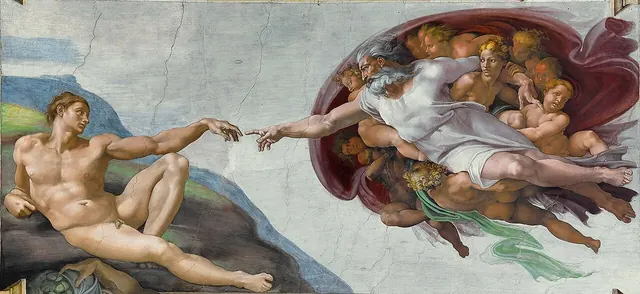
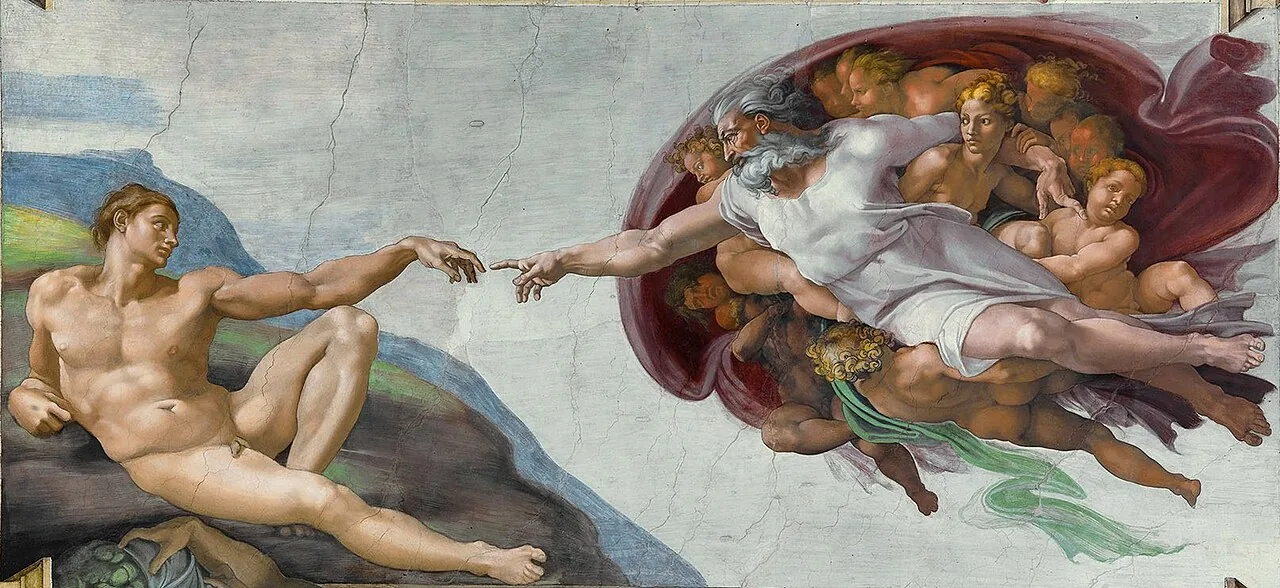
Imagine stepping into a vaulted sky, where the very air seems charged with the first spark of life. Above the heads of centuries of worshippers, Michelangelo captured a fleeting instant that has become one of the most reproduced images in Western art. In this close‑up, the viewer can trace the delicate tension between two outstretched hands, the barely touching fingers that suggest a divine breath about to pass. This moment, frozen on the ceiling of the Sistine Chapel, invites us to explore not only its visual drama but also the layers of technique, symbolism, and artistic ambition that lie behind it.
Scholars note that The Creation of Adam was executed between 1508 and 1512, a period during which Michelangelo labored on the Sistine ceiling. That broader timeframe, recorded in contemporary documents, helps us understand the massive undertaking of covering an entire vault with narrative frescoes. The extended chronology reminds us that this masterpiece emerged from years of planning, scaffolding, and relentless painting under challenging conditions. By situating the work within that span, we appreciate the dedication required to bring such a complex scene to life.
The Creation of Adam stands as a celebrated fresco perched on the vaulted ceiling of the Sistine Chapel, the heart of the Vatican Museums. Its placement high above the altar means that viewers originally encountered it from a distance, their eyes drawn upward along the sweeping narrative that envelops the entire ceiling. This prominent location not only underscores the theological importance of the scene—God imparting life to humanity—but also showcases Michelangelo’s ambition to transform an architectural surface into a grand visual sermon. Recognizing the fresco’s setting allows us to grasp how its scale and positioning amplify its emotional and spiritual impact.
In this iconic panel, Michelangelo captures the precise instant when divine energy passes from the outstretched hand of God to the waiting hand of Adam, the first man. The composition places the two figures within a shallow, almost weightless void, their fingers hovering a breath apart, suggesting a moment of creation frozen in time. Adam’s relaxed posture, with his leg bent and his gaze turned toward the heavens, conveys both vulnerability and anticipation. Meanwhile, God, surrounded by a host of attendant figures, appears in motion, his arm extended, embodying the dynamic force that animates the newborn humanity. This visual tension underscores the theological narrative of life bestowed by the Creator.
The Creation of Adam does not exist in isolation; it forms part of an extensive program of frescoes that envelop the entire ceiling of the Sistine Chapel. Michelangelo painted a series of biblical scenes, ranging from the dramatic narratives of Genesis to the prophetic visions of the Old Testament, each woven into a continuous visual tapestry. This broader context situates Adam’s moment within a grand story of salvation, linking the first act of creation to later episodes such as the Flood and the Exodus. Understanding that the panel is one chapter of a larger biblical saga helps viewers appreciate how Michelangelo orchestrated theological themes across the vaulted space.
One intriguing interpretation points to a subtle self‑portrait hidden within the figure of God. Scholars have observed that the outline of God’s head and flowing beard mirrors the silhouette of Michelangelo himself, suggesting a personal imprint on the divine. While this reading remains speculative, it invites viewers to consider how the artist may have woven his own identity into the narrative of creation, perhaps as a quiet assertion of the artist’s role as a co‑creator. This possible self‑reference adds a layer of intimacy to the scene, blurring the line between the heavenly and the human.
Creating a fresco of this magnitude demanded more than artistic talent; it required a sophisticated understanding of chemistry and engineering. Michelangelo had to master the application of pigment onto freshly laid wet plaster, a process that binds color permanently as the plaster dries. This technique, known as ‘buon fresco,’ leaves little room for error, as the artist must work quickly before the plaster sets. Interpreters argue that such technical mastery reflects Michelangelo’s scientific acumen, enabling him to manipulate materials and light to achieve the luminous quality that defines the ceiling’s figures. Recognizing this blend of art and science deepens our appreciation of the fresco’s enduring brilliance.
Another scholarly reading identifies a figure hovering behind God’s outstretched arm as the Archangel Michael, a motif sometimes called the ‘glider.’ This interpretation builds on Leo Steinberg’s earlier suggestion that Michelangelo embedded a subtle reference to the archangel, perhaps to underscore themes of divine protection and triumph. The figure’s poised, wing‑like posture and its placement in the composition lend it a sense of movement, as if it were guiding the divine spark toward humanity. While not universally accepted, this reading enriches the visual narrative, inviting viewers to explore layers of meaning that extend beyond the primary act of creation.
Standing beneath the vaulted masterpiece, we are reminded that art can capture a moment that transcends time, inviting each generation to contemplate the origins of life and the power of human imagination. Michelangelo’s fresco, with its masterful blend of narrative, technique, and subtle symbolism, continues to speak across centuries, challenging us to look upward and consider the delicate balance between the divine and the mortal. As the light shifts across the painted sky, the scene remains alive, a testament to the enduring capacity of art to inspire wonder and reflection in every viewer who pauses to watch the fingers nearly meet.
And so, the timeless dialogue between creator and creation continues, whispered across the centuries by Michelangelo’s hand.