The story
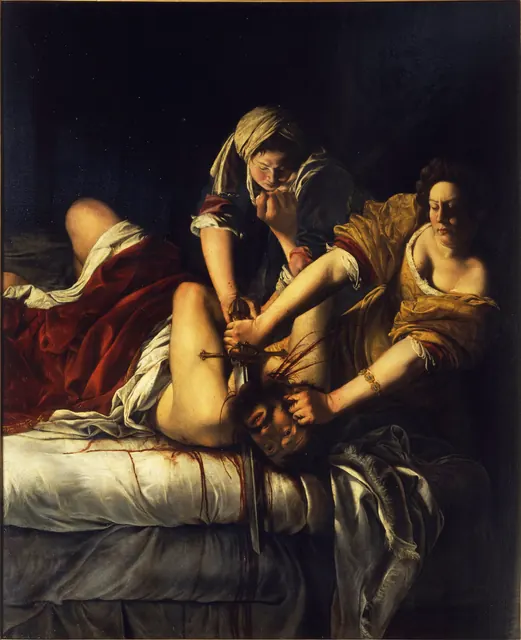
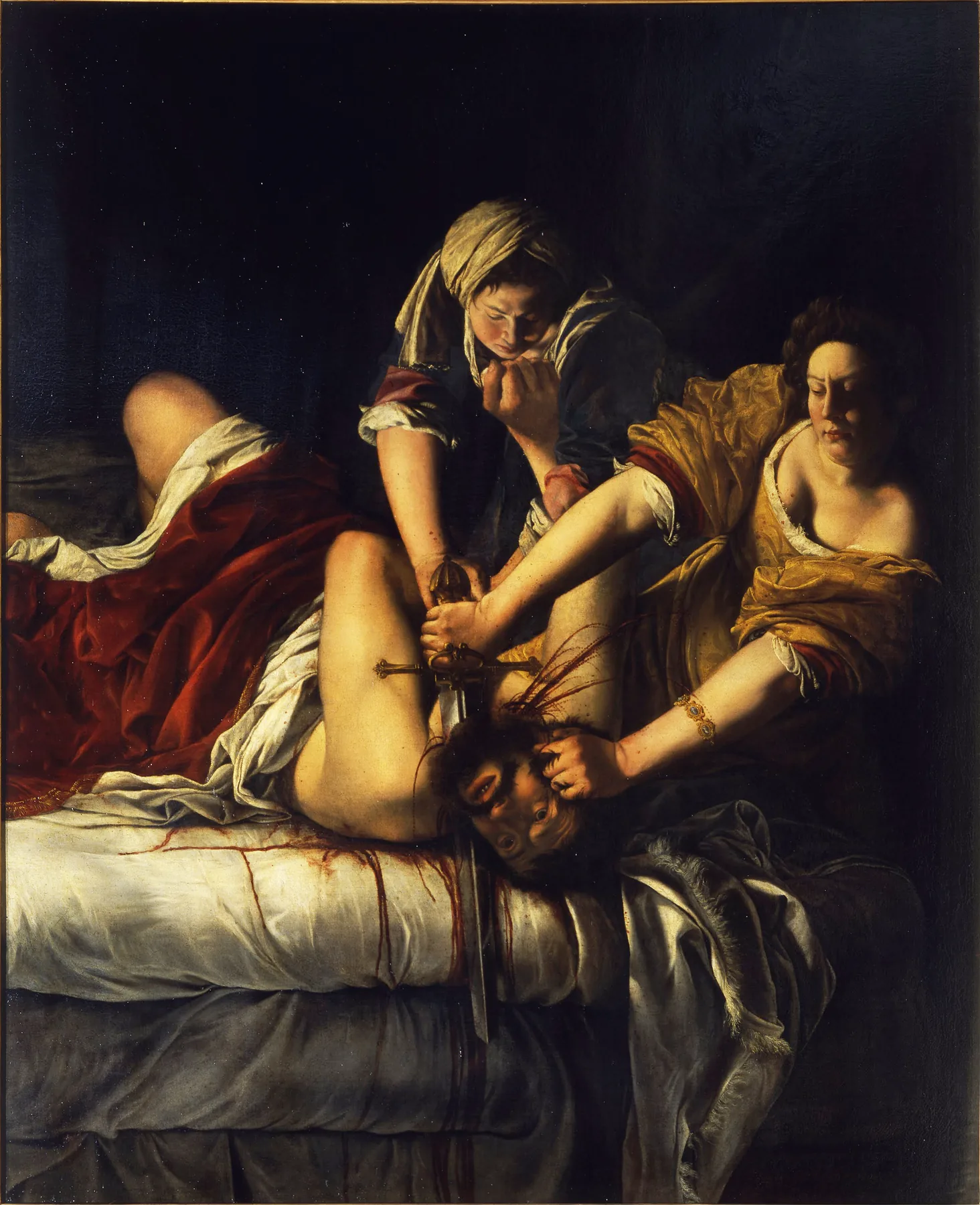
The canvas before us, titled Judith Slaying Holofernes, bears the hand of Artemisia Gentileschi. Created in Florence around 1620, it emerges from a city alive with artistic ambition. Even before the drama of the scene unfolds, the painting’s size and the vigor of its brushwork command attention, pulling the viewer into a moment of intense narrative. The oil on canvas surface captures a palpable tension, as light pools on the figures while shadows recede, hinting at the moral darkness about to be pierced. This opening glimpse sets the stage for the violent act that will dominate the composition, inviting us to contemplate both the story and the artist’s daring presence within a male‑dominated art world.
The date of the work—around 1620—places it firmly in Florence, a city celebrated for its artistic innovation during the early seventeenth century. Knowing the painting emerged from this specific time helps us grasp why its visual language is so direct and forceful; artists of the period often pursued vivid storytelling that could be read at a glance. The Florentine context also meant access to a network of patrons eager for dramatic biblical subjects, which likely shaped Gentileschi’s choice of this powerful narrative. By anchoring the canvas in its historical moment, we begin to see how the work both reflects and challenges the artistic conventions of its day.
The composition captures a moment of brutal intensity. Abra, the loyal servant, holds down the drunken Holofernes while Judith grips his hair with her left hand and, using his own sword, delivers the fatal cut. This tightly choreographed triangle of action guides the eye from the struggling victim, up through Abra’s restraining arm, to Judith’s decisive strike. The stark contrast between Holofernes’s bulk and Judith’s focused gesture amplifies the urgency of the scene, emphasizing the physical struggle and the psychological resolve of the heroine. By arranging the figures in this interlocking formation, Gentileschi creates a dynamic visual narrative that forces the viewer to confront the violence and agency embodied in the instant.
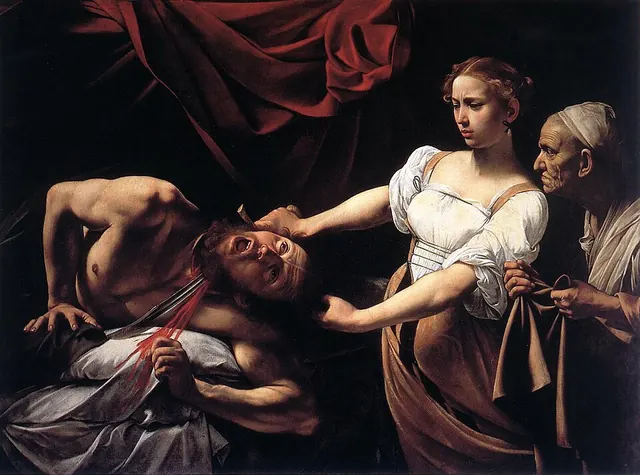
The Uffizi canvas does not shy away from the carnage. From Holofernes’s throat gushes a vivid spurting of blood that drenches the surrounding sheets, turning the once‑white bedding into a stark crimson tableau. This graphic burst of red catches the eye immediately, heightening the scene’s urgency and underscoring the brutal finality of Judith’s act. The wet, blood‑stained fabric amplifies the tactile realism that Artemisia achieves, pulling the viewer into the moment as if the violence has just occurred before our eyes. The surrounding darkness frames the crimson, allowing the blood to glow like a warning flare, a compositional choice that scholars have observed to be more immediate than Caravaggio’s version.
The Uffizi’s own description frames the painting as more than a biblical episode; it interprets the work as a professional tale of a woman who chose to be an artist in an era dominated by men. This reading positions Judith’s decisive act as a mirror of Artemisia’s own career, suggesting that the canvas functions as a visual manifesto of female agency. By foregrounding the parallel between the heroine’s boldness and the painter’s ambition, the museum invites viewers to contemplate how the artwork negotiates gendered expectations within the seventeenth‑century art world. The interpretation thus adds a layer of meaning that resonates beyond the narrative, linking personal triumph to broader social commentary.
That same perspective underscores a wider cultural conversation: the painting becomes a statement about professional identity for women. In a time when artistic training and patronage were largely reserved for men, the image of Judith wielding a sword—her own weapon—offers a potent symbol of self‑determination. The canvas operates on two levels, recounting a biblical story while simultaneously asserting that a woman can claim authority, both in narrative and in the studio. This dual reading enriches our understanding of how Gentileschi embedded her personal experience within a timeless tale of courage, inviting each viewer to reflect on the enduring relevance of artistic agency.
When the painting arrived in Florence, it provoked strong reactions. Contemporary patrons initially denied it exhibition in the Gallery, reflecting discomfort not only with its graphic subject matter but also with its female authorship. Payment for the work remained unsettled until the renowned scientist Galileo Galilei intervened on Artemisia’s behalf, using his influence to secure the artist’s compensation. This episode reveals how artistic acceptance in early seventeenth‑century Florence could hinge on the advocacy of powerful allies, and how a woman’s creative voice could be both challenged and championed within the same cultural arena. The episode also highlights the complex interplay between art, politics, and personal networks in the period.
Scholarly attention to the canvas continues to grow. In 2013, Eve Straussman‑Pflanzer published a study that examines the painting in depth, focusing on the role of women artists and patrons within the early‑seventeenth‑century Florentine court. Her research situates Gentileschi’s work amid a network of female patronage, arguing that the canvas exemplifies a broader cultural moment when women began to assert influence over artistic commissions and narratives. By foregrounding the intersection of gender, power, and artistic practice, Straussman‑Pflanzer’s analysis enriches our appreciation of the painting not only as a dramatic visual work but also as a document of shifting social dynamics within the courtly sphere.
In the quiet of the Uffizi, Artemisia’s brush still whispers a story of courage, art, and the enduring power of a woman’s voice.